
Let's set the scene. A family from Milwaukee is planning a trip to the Wisconsin Dells area. They're hungry, they need a rental, they want to book a tour — and they're doing all of it from their phone while their kids argue in the backseat. They type in a search. Your competitor comes up. You don't.
And the worst part? You had exactly what they were looking for. You just weren't anywhere they could find it.
If you're running a local business without a website — or with one that hasn't been touched since the Obama administration — this article is for you. No judgment (well, maybe a little). Mostly solutions.
- 81% — of shoppers researched major purchases ($500 or more) online first, in GE Capital Retail Bank’s 2013 study
- 17% — of small businesses still have no website, in Clutch’s 2025 survey
The "I Don't Need a Website" Myth
We hear it all the time: "My customers find me through word of mouth." And look — that's genuinely great. Word of mouth is powerful. But here's what also happens: someone hears about you through a friend, they think that sounds promising, and then they immediately Google you to find your hours, look at photos, read a review or two, and confirm you're legit.
If there's nothing there? A surprising number of people will move on. Not because you're bad at what you do — but because we've all been trained to verify before we commit. No website reads as sketchy, even when it absolutely isn't.
Real Talk: A business card and a Facebook page are a start — but a Facebook page requires customers to already know to look for you. A website means Google can send strangers to your door. Those are two very different things.
What You're Actually Losing (In Real Numbers)
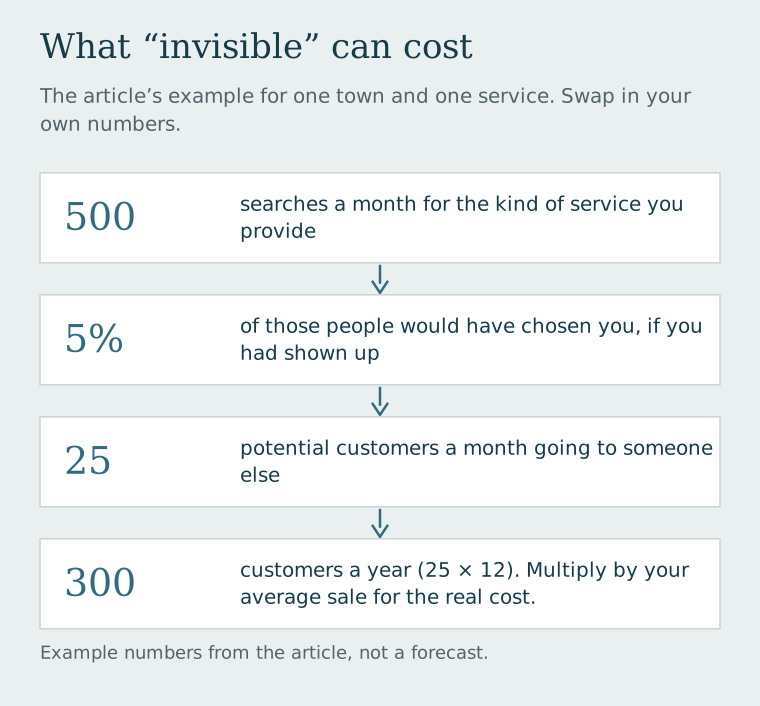
Let's say your town sees 500 searches a month for the kind of service you provide. If your business doesn't appear, you're invisible to all 500. If even 5% of those people would have chosen you? That's 25 potential customers a month going to someone else. Multiply that by your average sale, multiply by 12 months, and suddenly "I don't need a website" starts to look like a very expensive decision.
Okay, So What Do You Actually Need?
Good news: you don't need to build the Sistine Chapel of websites. For most small businesses, a clean, fast, mobile-friendly site with five pages and a clear call to action will absolutely move the needle. Here's the minimum viable website checklist:
- Home page — Who you are and what you do, in plain language
- Services or Products page — What you offer, with enough detail to answer the obvious questions
- About page — Put a face to the name; people buy from people they trust
- Contact page — Phone, email, hours, and ideally a map embed
- A few real photos — Not stock photos. Actual pictures of your work, your space, your team.
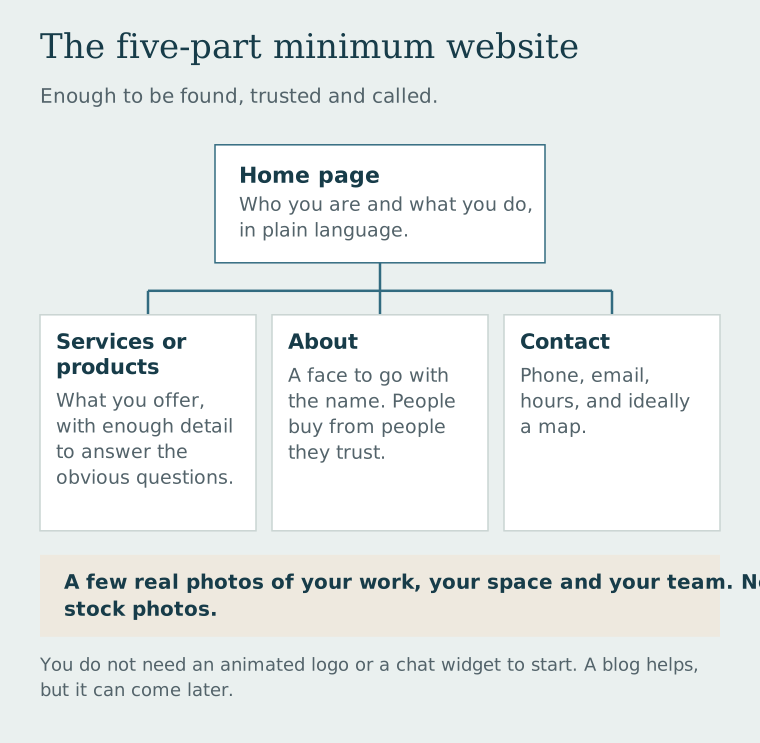
That's it. You don't need a blog (though it helps). You don't need an animated logo. You don't need a chat widget that asks "How can I help you today?" every three seconds. You need a clean, professional page that tells Google — and your customers — that you're real, you're open, and you're worth calling.
The Bottom Line
A website isn't a luxury item anymore. It's more like electricity — technically optional, but good luck running a modern business without it. The customers are already searching. The only question is whether they're finding you or finding your competition.
And hey — if you've made it this far without a website and you're still in business? That's genuinely impressive. But imagine what you could do with one.
Ready to stop being invisible?
Dells Websites builds clean, fast, locally-focused websites for Wisconsin businesses — no jargon, no drama, no mystery pricing.